faviconFundraising ideas

Top fundraising ideas built around real public health needs

A fundraising idea works when a donor can see exactly what it buys. Find ideas organized by public health cause, organizer, and funding type to match your fundraising goals.

fundraising-ideas-hero
Before you start

What every fundraising idea on HealthCommons shares

Whatever you are raising for, and whoever is doing the raising, the ideas below are built the same way. Each one names something a community needs and what it costs to cover.

Fund something specific

A campaign for one cooling center through one summer raises more readily than general support for the organization running it. Name the thing, name what it costs.

It has to reach a community

Campaigns fund work that serves a neighborhood, a patient population, or a town. What they raise has to reach beyond a single household.

Every gift is a donation

Nothing here is sold, ticketed, or raffled. Donors give because they want the work to happen, and telling them what their gift did is how you honor that.

Bring your fundraising idea to life on HealthCommons

Turn your idea into a trusted fundraiser that inspires people to give. HealthCommons gives it the reach and the credibility to get there.

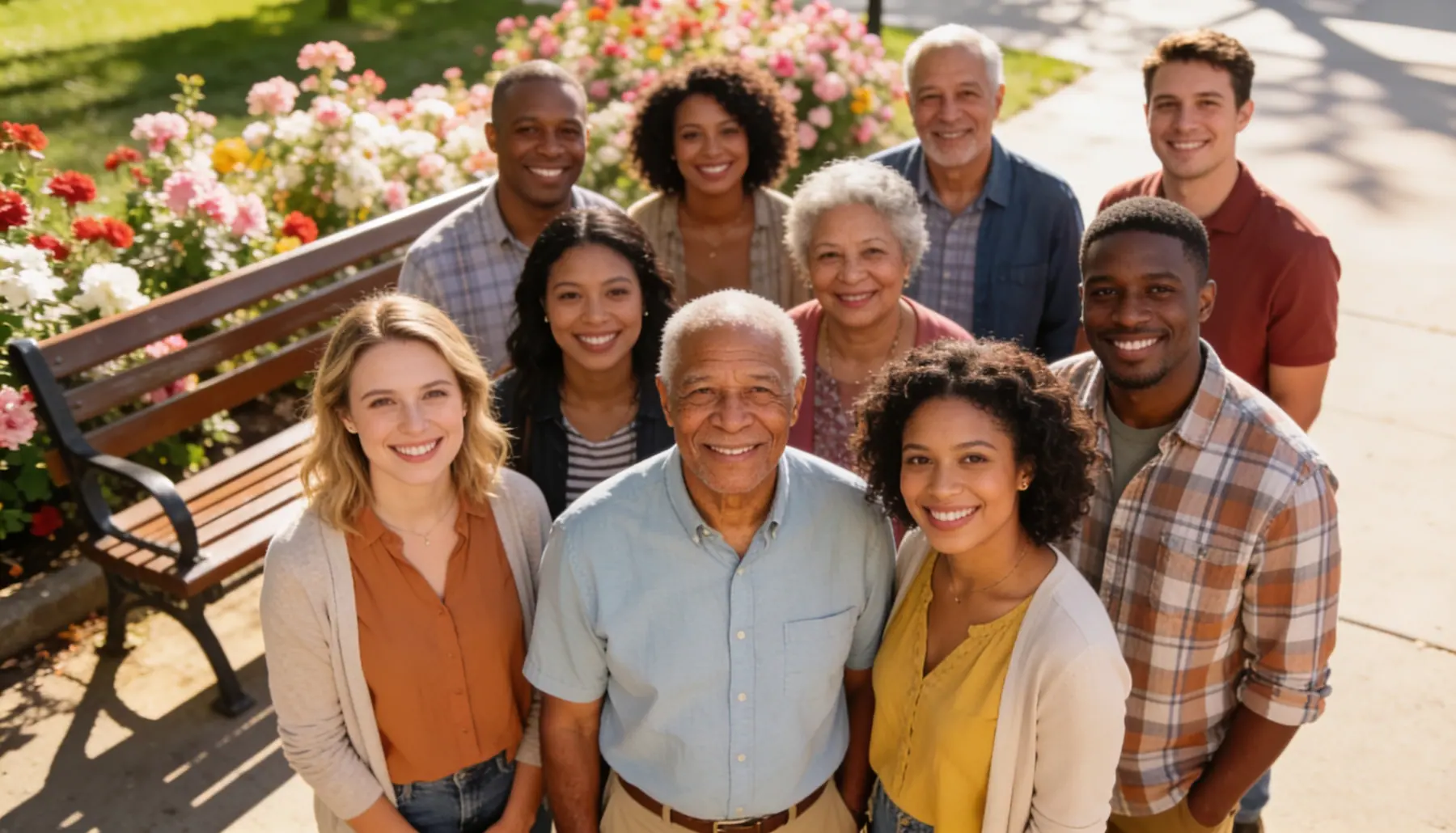
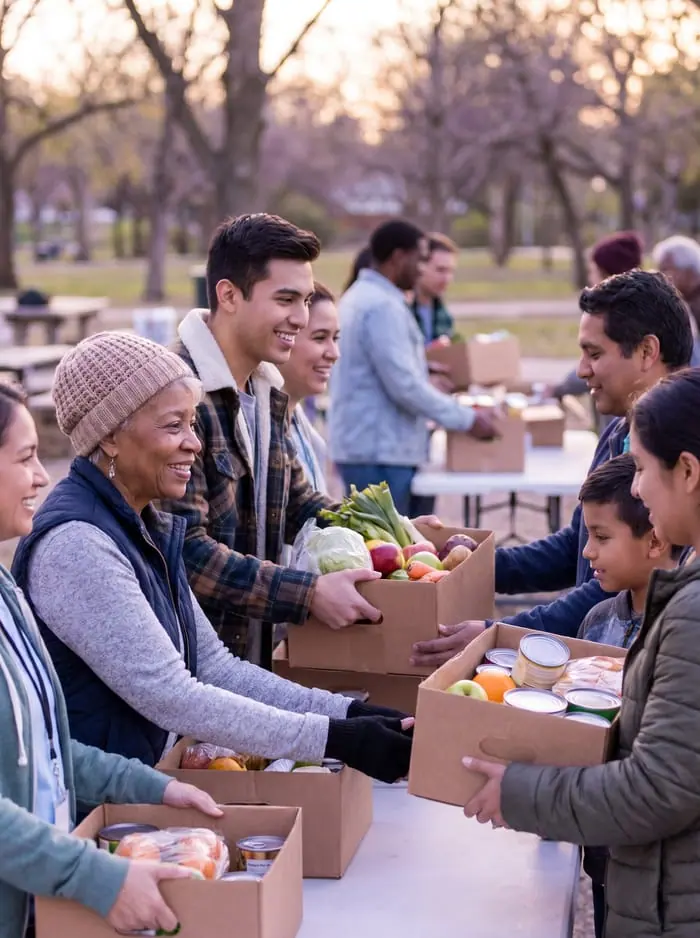
Supporters standing behind a community fundraising campaign
By organizer

Fundraising ideas by type of organizer

Fundraising capacity varies widely by organizer. Each type below shows what campaigns of that kind usually fund, and where a first campaign tends to start.

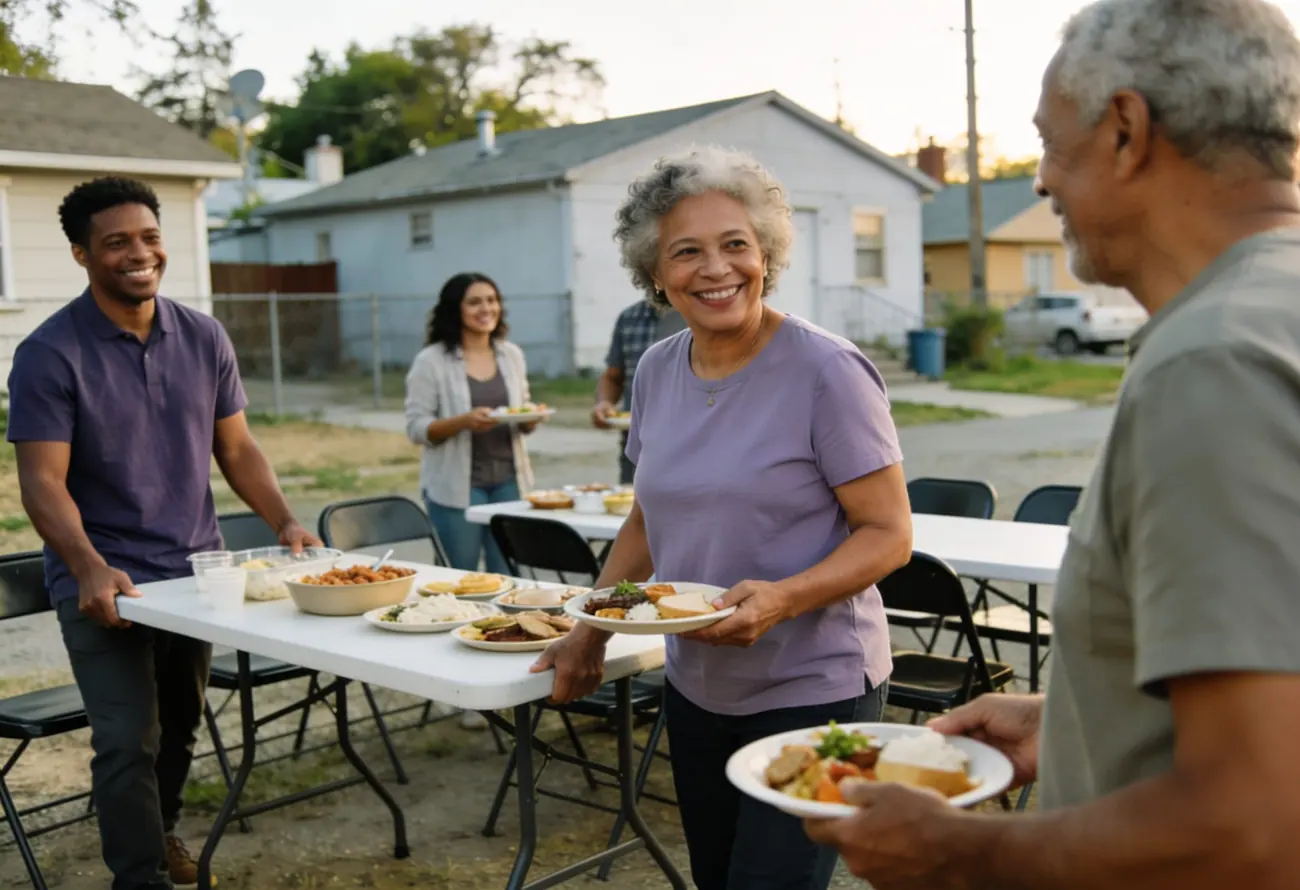
A nonprofit team planning a community health program

Even the strongest nonprofits, from a community health group to a statewide coalition, have needs that grants and contracts do not cover. Fundraising gives them the flexibility to sustain programs, respond to new demand, and keep going where funding falls short.

What they raise for
  • A program kept running when its grant ended
  • Outreach into an area nobody else covers
  • A service the whole county relies on
  • Health education that reaches people early
By what you fund

Fundraising ideas by what you are funding

Two campaigns under the same cause can be structured very differently. Each type below sets out what that kind of ask involves and how the goal is usually calculated.

Clinical equipment in use at a community health centre

Equipment and capital

The easiest kind of goal to defend, because the number comes from a quote rather than an estimate, and the result is something a donor can point at years later.

For example
  • An ultrasound or exam table for a free clinic
  • A refrigerated van for food rescue
  • Lead service lines replaced on one block
  • Turnout gear for a volunteer fire company
A health worker on shift with the people they support

Staffing and salaries

A salary is the hardest thing to win a grant for and one of the simplest to explain. Unlike equipment, what this buys is someone's presence, and everyone can see it.

For example
  • A counselor in a school for a year
  • A community health worker for a neighborhood
  • Overnight shifts on a crisis line
  • Interpreters, so care lands in the patient's language
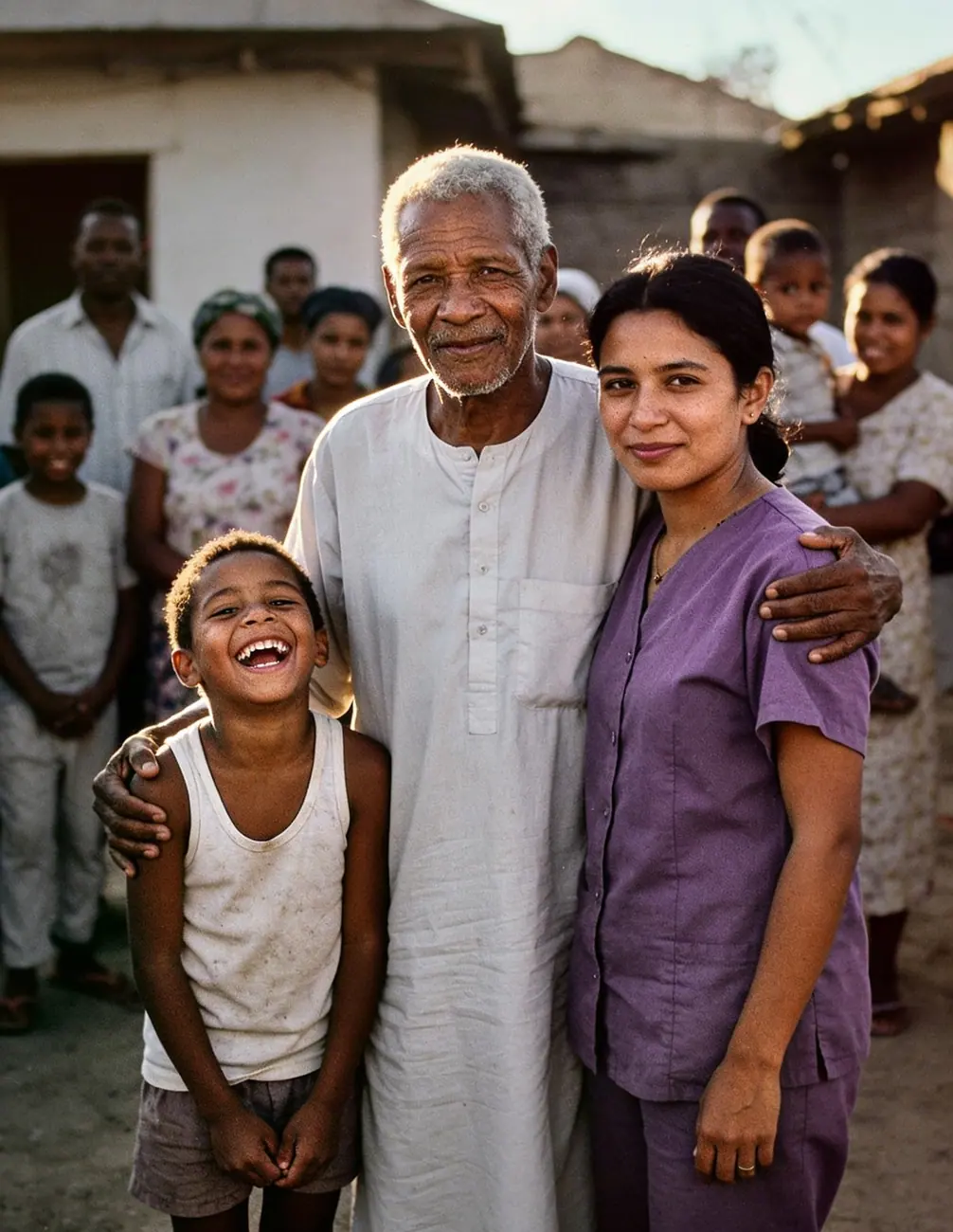
A community programme running its weekly service session

Programs and services

These campaigns pay for a service to keep running for a set length of time rather than for a thing you can hold. Because the service has a start and end date, so does the campaign.

For example
  • A summer of meals when school food stops
  • A mobile clinic's route for a year
  • A job training cohort start to finish
  • A meal delivery route for older adults
Volunteers sorting supplies for distribution in a neighbourhood

Supplies and distribution

Simple supplies often matter more than their price suggests. Each one costs very little, which means whatever a campaign raises turns straight into things people receive.

For example
  • Naloxone kits placed where overdoses happen
  • Diapers, formula and baby supplies
  • Winter coats, boots and blankets
  • Home water tests for households on wells
Researchers reviewing results in a public-health study

Research

Research is the one ask where the result is knowledge rather than a delivery. What makes it fundable is naming the specific piece of work the money buys.

For example
  • Genetic sequencing for families without a diagnosis
  • A survey that shows a county what it faces
  • A registry for everyone with one rare condition
  • Preliminary results a grant demands first
A relief team supporting a community after an emergency

Emergency and recovery

Emergency campaigns cover two very different timeframes: the days after an event, and the years of rebuilding that follow. A campaign works better when it says which one.

For example
  • Recovery supplies in the weeks after a storm
  • A standing fund ready before the next call
  • Mental health support for responders
  • Generators and cooling for a power outage

How to turn a fundraising idea into a campaign

Every campaign here takes the same path, whatever you are raising for and whoever is raising it.

A fundraiser reviewing her campaign plan on a tablet

Step 01

Pick one thing and price it

Narrow the idea to a single item or a defined period, then work out what delivering it actually costs.

Step 02

Get verified

Submit the campaign for review. Our team checks the organizer and the plan before it can take a donation.

Step 03

Ask, then ask again

Ask more than once. Most people never see the first message, so send a reminder before the campaign closes.

Step 04

Report what it did

Tell people what the money paid for and what it changed. This is the step that decides whether they give again.

What to expect when running a campaign here

Every campaign here gets the same support, whatever it is raising for and however large the goal, from the first day right through to payout.

Free to launch

Anyone can launch a campaign for free, whatever the cause. Setting one up and putting a number on it costs nothing at all.

Amplified

Approved campaigns go out through the HealthCommons site, newsletters and social channels, reaching well beyond your own contacts.

Milestones

You can release funds in stages if you choose, rather than all at once. Give each stage a date and a share, verified before it pays out.

Questions

Frequently asked questions about fundraising here

Every campaign is reviewed by a person before it is published, and most are reviewed within twenty-four hours of submission. Once approved, the page is live and can take donations straight away.

Through Stripe, using major credit and debit cards, Apple Pay or Google Pay. For most donors that means giving from a phone in a few taps.

Yes. A donor can give without their name appearing on the campaign. That matters more in public health than in most causes, since people supporting work on addiction, mental health or domestic violence may not want to be publicly attached to it.

Yes, if you set milestones. Each one carries a date and a share of the goal, and that share is released once the milestone is verified. Leaving milestones off is equally fine and changes nothing about how the campaign runs.

Generally not, once it has been processed. Refunds may be considered in limited cases such as a duplicate transaction, fraudulent activity or a technical processing error.

Fraud, illegal activity, hate speech, harassment, discrimination, threats of violence, harmful misinformation, intellectual property infringement and spam are all prohibited, as is anything that conflicts with the platform's public health mission.

Start with the cause you already know

Every campaign starts with somebody deciding one specific thing is worth funding, and then saying so clearly enough that other people agree.